


Is Rhinoplasty Safe? Everything You Need to Know
Rhinoplasty, commonly known as a nose job, is considered one of the most prevalent cosmetic surgical procedures internationally. Whether performed to enhance facial appearance or improve breathing, many patients have this question before undergoing surgery: Is rhinoplasty safe?
The short answer is yes. Rhinoplasty is usually safe and effective when performed by a skilled, experienced surgeon. Still, as with any surgery, there are some risks and recovery details that patients should know about ahead of time.
At Quttainah Specialized Hospital, patients receive personalized care, advanced surgical techniques, and expert guidance focused on both safety and natural-looking results.
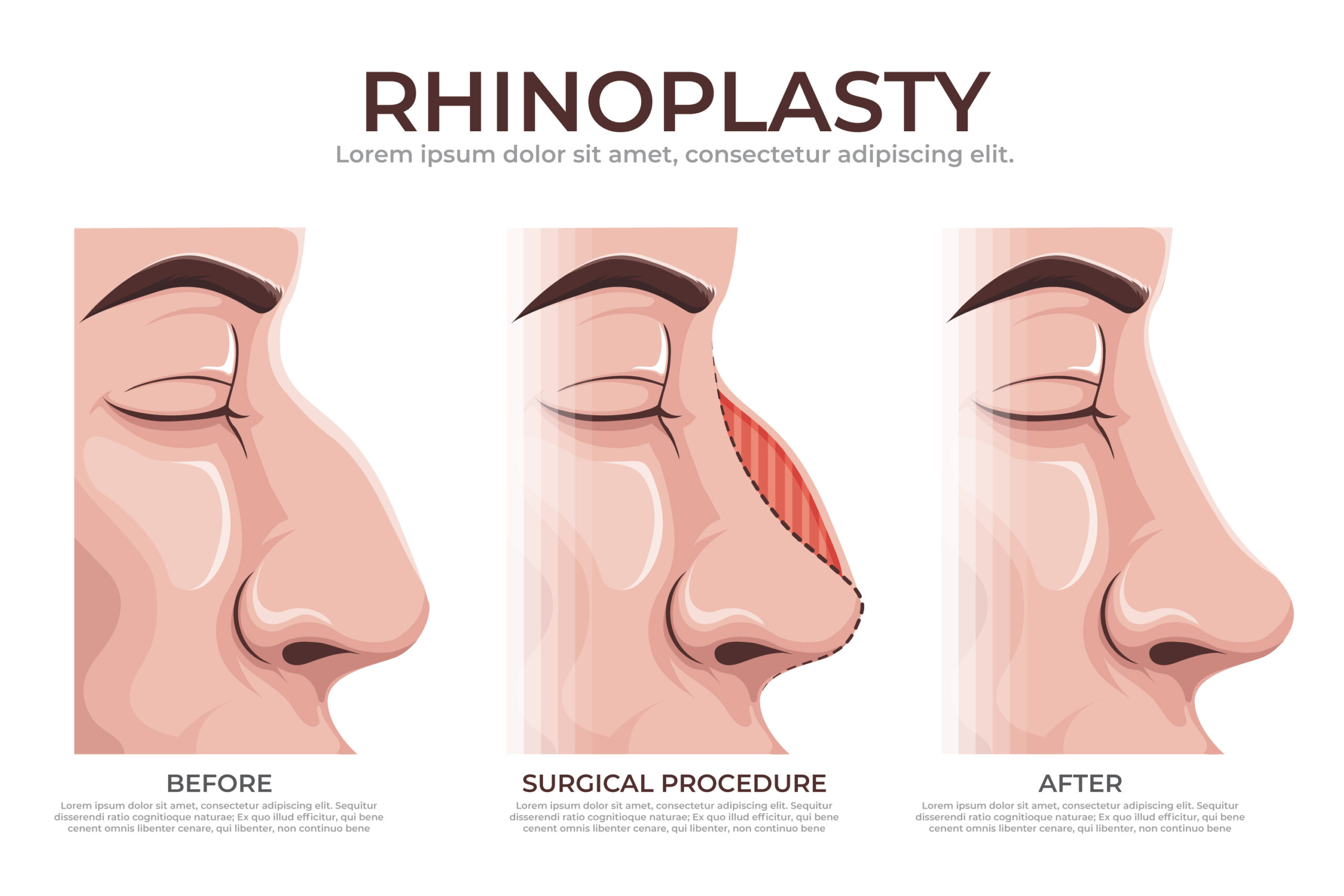
Rhinoplasty is surgery to change or fix the shape of the nose. People may undergo this procedure for cosmetic, medical, or both reasons. Common goals include:
- Change the shape of your nose.
- Address unevenness or asymmetry.
- Help with breathing problems.
- Fix damage caused by an injury.
- Make changes to the tip or bridge of your nose.
Modern rhinoplasty techniques have advanced significantly, making the procedure safer and more precise than ever before.
How safe is Rhinoplasty
Cosmetic surgery has come a long way, making rhinoplasty much safer than it used to be. At Quttainah Specialized Hospital, surgeons use advanced imaging, better techniques, and safer anesthesia to reduce risks and work with greater accuracy. Most patients who follow their doctor’s advice before and after surgery recover well and are happy with their results. For healthy individuals treated by experienced specialists, nose job safety is generally very high.
Is nose surgery dangerous?
Many people wonder, is nose surgery dangerous? While rhinoplasty is considered safe overall, every surgical procedure carries some level of risk.
Serious complications are rare, especially when surgery is done at a trusted medical center by a skilled surgeon. Getting ready for the procedure and carefully following recovery instructions also help lower the risks. To reduce risks, patients should:
- Make sure to choose a surgeon with strong qualifications
- Take time to look at before-and-after photos of the surgeon’s work
- Be open and honest when talking about your medical history
- Carefully follow all instructions your doctor gives you for recoverctor gives you for recovery
Common risks of Rhinoplasty
Understanding the potential risks of rhinoplasty can support patients in understanding their options and preparing for surgery with confidence. Possible risks may include:
- Infection
Infections after surgery are uncommon. Surgeons help prevent them by keeping the surgical area sterile and giving antibiotics if needed.
- Breathing Difficulties
Some patients might have short-term breathing problems, and rarely, these issues can last longer if the nose does not heal as expected.
- Scarring
Closed rhinoplasty usually does not leave visible scars. Open rhinoplasty can leave a small scar under the nose, but most scars fade a lot as time passes.
- Asymmetry
Everyone heals differently, so there may be some minor unevenness after surgery.
- Unsatisfactory Results
Sometimes, patients want more changes, which can mean having another surgery to adjust the results.
- Anesthesia Risks
General anesthesia is usually safe, but there are some risks, especially for people who already have health problems.
In certain cases, patients may need revision surgery to refine the outcome or correct structural concerns. However, major rhinoplasty complications are relatively rare.
Rhinoplasty side effects during recovery
Like most cosmetic procedures, there are temporary rhinoplasty side effects patients may experience while healing.
- Swelling and Bruising
Swelling around the nose and eyes is common after surgery and usually improves significantly within a few weeks.
- Mild Discomfort
Most patients feel pressure or congestion instead of strong pain. The medications you are given usually help manage any discomfort.
- Temporary Nasal Congestion
Swelling inside your nose can make it harder to breathe for a short time while you recover.
- Numbness
You might notice some numbness around your nose or upper lip, but this usually gets better as you heal.
These short-term rhinoplasty side effects are considered a normal part of the recovery process.
What helps to improve nose job safety?
Several important factors can improve nose job safety and support smoother healing.
- Choose an experienced surgeon
One of the most important factors in reducing rhinoplasty complications is choosing a qualified and experienced surgeon.
- Follow recovery instructions carefully
Proper aftercare helps reduce swelling, supports healing, and lowers the risk of complications.
- Avoid smoking
Smoking can slow healing and increase the risk of infection and poor surgical outcomes.
- Share your full medical history
Being honest about medications, allergies, and health conditions allows your surgeon to plan the safest possible treatment.
How common are Rhinoplasty complications?
Most patients recover without serious problems. While rhinoplasty complications can occur, they are relatively uncommon when surgery is performed correctly. Patients should seek medical help immediately if they experience:
- Heavy bleeding that does not stop.
- Swelling that is getting worse or very painful.
- A fever or feeling unusually hot.
- Trouble breathing or shortness of breath.
- Signs of infection like redness, warmth, or pus.
Early medical attention helps ensure safer recovery and better long-term results.
Can Rhinoplasty improve breathing?
Yes. Rhinoplasty is not always performed for cosmetic reasons alone. Functional rhinoplasty can help improve airflow and correct structural issues inside the nose.
This may include treatment for:
- Deviated septum
- Nasal obstruction
- Structural collapse
- Breathing difficulties caused by injury
In many cases, patients benefit from both improved appearance and better nasal function.
What to expect during recovery
Rhinoplasty recovery happens gradually. Here is a general timeline:
- First week: Swelling, bruising, and nasal splints are common
- Two weeks: Most visible bruising fades
- One month: Noticeable improvement in swelling
- Several months to one year: Final results become more visible
Patience is important because subtle nasal tissues continue healing long after surgery.

FAQS
Yes. For healthy individuals treated by experienced surgeons, rhinoplasty is generally considered a safe procedure.
The most common risks of rhinoplasty include swelling, bruising, temporary congestion, and mild discomfort during recovery.
Patients often ask, is nose surgery dangerous? Serious complications are rare when rhinoplasty is performed by qualified professionals and proper aftercare is followed.
Typical rhinoplasty side effects include swelling, bruising, numbness, and temporary breathing difficulty during healing.
Choosing an experienced surgeon, avoiding smoking, and carefully following recovery instructions can help reduce the risk of rhinoplasty complications.
Plan your Rhinoplasty with expert surgeons at Quttainah Specialized Hospital
Understanding rhinoplasty safety can help patients feel more informed and confident before making a decision.Every surgery has some risks, but rhinoplasty is generally safe and successful when done by experienced professionals.
At Quttainah Specialized Hospital, we offer expert cosmetic and functional nasal surgery that is personalized to fit each patient’s goals, facial features, and long-term health.
Book your consultation today to learn how safe, personalized rhinoplasty can help enhance both your appearance and confidence.