


How to get rid of loose skin after weight loss
You tracked your calories, made it to your workouts, and stayed patient through the tough times. But after all that effort, as you enjoyed your new clothes and extra energy, you noticed something unexpected: skin that doesn’t seem to fit your new body.
If this sounds familiar, you’re not alone. Loose skin after weight loss is very common, but people rarely talk about it.
For many, it’s the reason they avoid mirrors, tight clothes, or going to the beach, even after reaching a goal they once thought was out of reach.
The good news is that this is a well-understood, highly treatable concern. Some degree of natural retraction is possible; several lifestyle habits genuinely support it; and where the skin will not respond on its own, modern non-surgical and surgical options can restore a smooth, proportionate contour.
If you are wondering “How to get rid of loose skin after weight loss”. Read on to know why it happens, what actually works, and how to decide which path fits your body and your goals.

Why excess skin after losing weight happens?
Your skin is not a static covering. It is a living, elastic organ that stretches to accommodate growth and relies on two proteins to spring back: collagen, which provides structure and strength, and elastin, which allows recoil.
When the body carries additional weight for a prolonged period, the skin stretches and the elastin fibers within it are placed under sustained tension.
Over months and years, some of those fibers lose their ability to recover fully. When the underlying volume decreases, the remaining skin envelope can be larger than the underlying frame, creating the folds, hanging tissue, and softness people describe as sagging.
A few factors influence how much excess skin you are likely to see after losing weight:
- How much weight you lose matters. Losing more than 40-50 kilograms often results in excess loose skin.
- How long your skin stays stretched also matters. The longer it is stretched, the more the elastin in your skin wears out.
- Age is another factor. As you get older, your body makes less collagen and elastin, so skin in your forties and beyond usually does not bounce back as well as it does in your twenties.
- Losing weight quickly, such as after bariatric surgery, gives your skin less time to adjust.
- Genetics also matter. The skin you inherit from your family can have a big impact, even if people do not always realize it.
- Sun exposure and smoking both speed up the breakdown of collagen and make skin less elastic.
- Staying hydrated and eating well also help. Protein, vitamin C, and zinc all play a role in collagen production.
Quick snapshot: the areas that most commonly hold loose skin are the abdomen, upper arms, inner thighs, breasts and chest, and the neck and jawline.
Many people experience more than one area at once, which is why a whole body assessment matters more than treating a single trouble spot.
How to tighten loose skin naturally?
Before considering any procedure, it is worth giving your body the best possible conditions to recover on its own.
Natural methods work best for mild laxity, in younger patients, and after moderate rather than dramatic weight loss. They are also the foundation that makes any later treatment more effective.
Build muscle to fill the frame
Resistance training does not reduce skin, but it improves the underlying structure. Increasing lean muscle in the arms, chest, glutes, and thighs restores volume and creates a firmer, more supported look.
Compound movements like squats, deadlifts, rows, and presses provide the most noticeable results. Aim for two to four sessions per week, gradually increasing the load.
Support collagen protection and regeneration
Adequate protein provides the amino acids needed for collagen production. Vitamin C is essential for collagen formation, while zinc and copper further support this process.
A diet rich in lean protein, colorful vegetables, healthy fats, and whole foods benefits skin quality more than any single supplement.
Maintain a gradual approach when possible
If you are still losing weight, a gradual, sustainable pace gives the skin more time to adapt. Rapid weight loss often leads to muscle loss and increased skin laxity.
How to improve skin elasticity day to day?
Small, steady habits add up over time. To improve skin elasticity, focus on protecting your existing collagen and supporting your body in making more.
- Drink water regularly throughout the day rather than large amounts all at once.
- Apply broad-spectrum sunscreen every day. Ultraviolet exposure quickly breaks down collagen.
- Avoid smoking and try to limit alcohol, since both can slow down your skin’s ability to repair itself.
- Make sleep a priority, because your body does most of its tissue repair while you rest.
- Moisturize your skin regularly to keep its barrier strong. You can also ask a professional about using retinoids or peptides.
- If you like, try dry brushing or massage. These can help with circulation and feel comforting.
To be honest, natural ways to tighten loose skin can help with texture, tone, and appearance if the issue is mild. They cannot remove much extra skin, since no habit can eliminate excess tissue. Knowing this early can save you a lot of frustration.
How long does loose skin take to tighten?
Skin retraction is a slow biological process. Most of the natural improvement occurs within the first six to twelve months after reaching a stable weight, with smaller gains continuing up to around eighteen to twenty-four months.
Most specialists recommend maintaining a steady weight for at least six months before deciding on a procedure. Weight after that period is unlikely to change without intervention.
Non-surgical loose skin treatment options
For mild to moderate laxity, energy-based technologies can stimulate new collagen and tighten the skin envelope without incisions or downtime that interrupts your life.
- Radiofrequency microneedling, including Morpheus 8, delivers controlled thermal energy into the deeper layers of the skin to trigger collagen remodeling and gradual firming over several months.
- Fractional and precision laser therapies improve surface texture, tone, and fine crepiness while contributing to collagen renewal.
- Advanced dermal fillers restore volume in areas that have become hollow or deflated, particularly in the face and hands, which improves the appearance of draped skin.
- IV nutrient therapy and supportive skin protocols may be incorporated with treatment to enhance hydration and recovery.
Non-surgical skin tightening after weight loss involves multiple sessions and provides gradual, subtle improvement rather than immediate results. It is appropriate for patients seeking non-surgical enhancement and who have realistic expectations regarding outcomes.
Surgical body contouring for significant excess skin
When substantial excess skin remains, surgical excision is the only reliable way to remove it. Body contouring after major weight loss is a well-established field, with procedures selected based on the affected areas.
- Abdominoplasty, or tummy tuck, removes the apron of loose abdominal skin and repairs separated abdominal muscles.
- Brachioplasty, or arm lift, addresses hanging skin along the upper arms.
- Thigh lift refines the inner and outer thighs.
- Breast lift, reduction, or augmentation restores the chest’s position and volume.
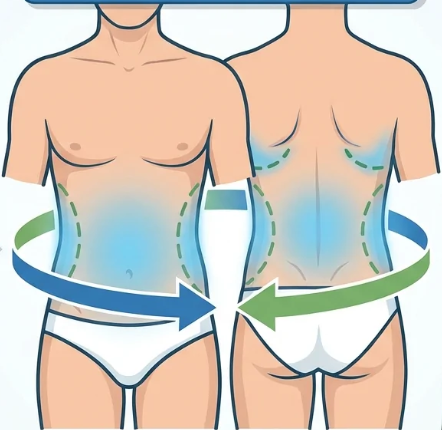
- Lower body lift or circumferential procedures treat the abdomen, flanks, hips, and buttocks together.
- Scar revision and refinement procedures improve the appearance of existing scars.
Doctors often combine these procedures or perform them in stages over a period of time.
Recovery depends on how much work is done, but usually includes a few weeks of limited activity, wearing compression garments, and slowly getting back to exercise. It can take several months to see the final results.
It is important to have a detailed consultation, a medical check-up, and an open talk about where scars will be and what results to expect.
Choosing the right loose skin treatment for you
The most effective loose skin treatment is not the newest or most intensive. It is the one correctly matched to your degree of laxity, skin quality, medical history, and personal goals. In practice, that assessment considers:
- How much skin is present and in which areas.
- The quality and thickness of your skin.
- Whether your weight has been stable long enough.
- Your general health, including nutritional status after bariatric surgery.
- Your tolerance for downtime and for scars.
- What outcome would actually make you feel comfortable in your body.
A good specialist will tell you when a non-surgical approach is enough, and equally when it is not.

FAQS
Natural approaches such as resistance training, good nutrition, hydration, sun protection and avoiding smoking can improve mild loose skin, but cannot remove significant excess skin.
Yes, to some extent. Younger skin and moderate weight loss may allow meaningful natural tightening, but age, genetics, weight loss amount and skin quality all influence the result.
Most natural tightening occurs within six to twelve months after weight stabilises, although gradual improvement may continue for up to two years.
Exercise cannot tighten skin directly, but resistance training can build muscle and improve its appearance. Focus on squats, lunges, rows, presses and core exercises 2–4 times weekly.
Trust QSH for expert skin tightening after weight loss in 7-star comfort
At Quttainah Specialized Hospital, more than twenty years of expertise in cosmetic and reconstructive surgery meet a level of care and privacy that few hospitals in the region can offer.
Dr. Adel Quttainah started QSH in Umm Suqeim, Dubai, and now there are branches in Kuwait and Qatar. At QSH, we focus on both surgical skill and an artistic eye to create natural, balanced results that fit you as an individual.
Your treatment plan is built around your needs, whether you choose Morpheus 8 and laser therapy, a step-by-step body contouring plan, or both. We offer personalized assessments, adhere to strict safety standards, and provide caring support after your procedure.
If you are visiting from abroad, we also offer VIP concierge services with custom surgery, recovery, and hospitality packages.
You did the hard part already. Let us help you see it. Book your consultation today.