


Say goodbye to scars: Advanced laser scar removal with Aerolase
Scars tell a story of acne battles, surgeries, injuries, or burns. But for many people, those marks are not a memory they want to carry forward. In a city like Dubai, where confidence and appearance often go hand in hand, visible scars can affect self-esteem in subtle yet significant ways.
Modern dermatology has transformed the way we approach scar treatment. Today, laser scar removal offers a scientifically advanced and clinically proven option for improving skin texture, tone, and overall appearance.
At Quttainah Specialised Hospital, patients now have access to next-generation technology such as scar removal by Aerolase, a refined, minimally invasive approach designed to treat different types of scars safely and effectively.
Understanding why scars form
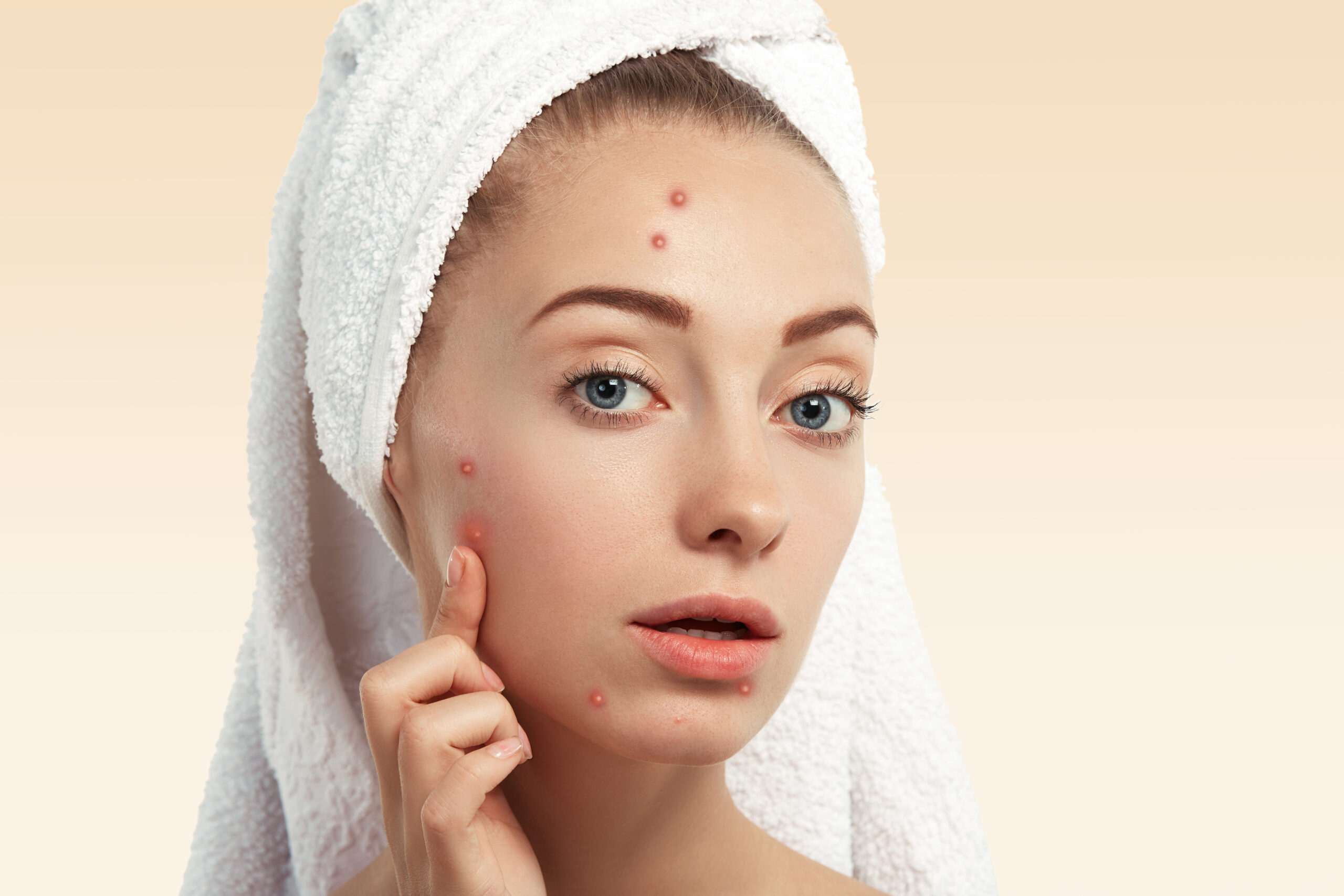
A scar develops when the skin repairs itself after injury. During the natural healing process, the body produces collagen fibers to close the wound. If too much or too little collagen forms, or if it forms unevenly, the result can be a visible scar.
Common causes include:
- Acne (one of the leading causes of facial scarring worldwide)
- Surgical procedures
- Burns
- Traumatic injuries
- Inflammatory skin conditions
Acne affects nearly 80% of people between the ages of 11 and 30, and a significant proportion develop some degree of permanent scarring. Millions of burn injury cases are reported annually worldwide, many resulting in long-term skin changes.
Scars may appear as:
- Depressed or pitted areas (atrophic scars)
- Raised thickened scars (hypertrophic scars or keloids)
- Discolored patches
- Tight, uneven skin after burns
Understanding the scar type is essential before selecting the appropriate scar removal laser treatment.
What are the different types of scars?
Not all scars respond the same way. A medically guided assessment ensures that laser skin scar removal is customised appropriately.
Atrophic scars (depressed scars)
These are commonly caused by acne. They appear as indentations in the skin and include:
- Ice pick scars (deep, narrow pits)
- Boxcar scars (wider depressions with sharp edges)
- Rolling scars (wave-like uneven texture)
These scars develop when the skin does not produce enough collagen as it heals. Laser treatment works by targeting the deeper layers of the skin to encourage fresh collagen formation, which over time helps raise the indented areas and create a smoother, more even surface.
Hypertrophic scars (raised scars)
These occur when excess collagen forms but remains within the original wound boundary. They may feel firm or thick.
Laser therapy helps soften dense scar tissue, reduce redness, and improve skin flexibility. Over time, the scar becomes flatter and less noticeable.
Keloid scars
Keloids behave differently from most other scars. Instead of staying within the boundaries of the original wound, they continue to grow beyond it, forming thick, raised tissue.
Treating keloids can be challenging, and laser treatment on its own is usually not enough to eliminate them entirely. However, when used alongside medical options such as corticosteroid injections or other prescribed therapies, laser treatment can help soften the scar, reduce redness, and ease symptoms like itching or tenderness.
Burn scars and contractures
Burn scars can cause tightness, discoloration, and restricted movement. In burn scar removal laser Dubai treatments, laser energy promotes controlled remodeling of collagen, helping improve elasticity and surface appearance over time.
How laser scar removal works beneath the surface of the skin?
Laser technology works by delivering focused light energy into targeted layers of the skin. Depending on the device and settings, the laser may:
- Stimulate collagen remodeling
- Break down excess scar tissue
- Improve pigmentation irregularities
- Encourage smoother skin regeneration
Unlike older ablative lasers that remove outer skin layers aggressively, newer technologies allow controlled penetration with reduced downtime. This makes laser skin scar removal safer for different skin types, including darker complexions commonly seen in Dubai’s diverse population.
Why Aerolase is redefining advanced treatment of scars?
The Aerolase system represents a newer generation scar removal laser machine that uses a 1064 nm wavelength to treat scars with precision and minimal thermal damage.
Key benefits of scar removal by Aerolase
- Safe for all skin tones, including darker skin types
- Minimal discomfort compared to traditional lasers
- Reduced risk of post-inflammatory pigmentation
- Little to no downtime
- Effective for acne scars, surgical scars, and burn scar removal, laser applications
- Suitable for delicate areas such as the face
Aerolase treats scars by delivering controlled warmth into the deeper layers of the skin, keeping the outer surface of the skin safe. This process encourages the skin to rebuild collagen naturally, with minimal irritation. Most patients begin to see gradual improvement in skin texture and overall appearance after completing a series of sessions.
At Quttainah Specialised Hospital, treatment protocols are customised after a thorough dermatological assessment to ensure optimal results.
What happens during a laser scar removal session?
Most lasers for scar removal procedures follow a structured process:
Step | What happens | Duration |
Consultation | Skin evaluation and scar assessment | 20–30 minutes |
Preparation | Cleansing; topical anesthetic if required | 15–20 minutes |
Laser treatment | Targeted energy delivered to scar tissue | 15–40 minutes |
Post-care | Cooling, soothing cream, sun protection guidance | 10–15 minutes |
Most patients require multiple sessions spaced a few weeks apart for noticeable improvement.
Results that patients realistically expect
It’s Important to understand that laser scar removal does not erase scars completely. Instead, it significantly improves:
- Skin texture smoothness
- Color uniformity
- Depth of depressed scars
- Thickness of raised scars
- Overall skin clarity
Improvement typically becomes visible after 2–3 sessions, with continued collagen remodeling over several months.
For burn scar removal laser Dubai treatments, outcomes depend on scar maturity and severity. Older scars may need more sessions, but can still show meaningful enhancement in flexibility and appearance.
Are there risks or side effects to consider?
When performed by trained specialists, laser treatments are generally safe. However, temporary effects may include:
- Mild redness
- Swelling
- Warm sensation
- Temporary darkening before lightening
Serious complications are rare when proper protocols are followed. Choosing an experienced dermatology team significantly reduces risk.
Practical guidance before and after treatment
Recovery after a lipo 360 surgery is carefully planned.
Common recovery components essentially include:
- Compression garments are worn for approximately four to six weeks to support shaping and control swelling
- Swelling and bruising are expected initially and will reduce gradually over time
- Light movement and short walks are encouraged early, with a gradual return to routine activities
- Scheduled follow-up visits with the surgeon monitor healing and address any concerns promptly
Most patients return to desk-based work within a short period, although timelines vary by individual healing and the extent of treatment.

FAQS
Most patients describe the sensation as mild warmth or snapping against the skin. With Aerolase technology, discomfort is significantly reduced compared to older laser systems.
This depends on the severity of the scars, their types, and depth. Acne scars may require 3–6 sessions, while deeper surgical or burn scars may need more. Your dermatologist will personalise the plan.
Yes. Technologies such as Aerolase are designed to minimise pigmentation risks and are suitable for a wide range of skin tones.
Older scars can still improve. While complete removal is unlikely, texture and color often show noticeable refinement after treatment.
Most patients resume daily activities the same day. Mild redness typically resolves within 24–48 hours.
Results are long-lasting because collagen remodeling improves the scar structure. However, new injuries may result into new scars.
Any combination is planned carefully during consultation, with safety and recovery considerations clearly discussed.
Complete removal is uncommon, but modern laser skin scar removal significantly softens pitted scars and improves overall skin smoothness.
Moving beyond scars with modern dermatology
Living with a scar doesn’t mean you simply have to live with how it looks forever. Skin has the ability to respond and improve when treated correctly. With the progress made in laser scar removal, especially with technologies like Aerolase, treatment today is far more refined than it used to be.
It’s designed to work safely across different skin tones while focusing on gradual, visible improvement rather than aggressive resurfacing.
At Quttainah Specialised Hospital, every patient is assessed individually. The approach is careful and medically guided, with treatment plans built around the type of scar, skin quality, and long-term goals. Access to advanced laser systems is essential, but equally important is the expertise behind how and when they’re used.